
The Architecture Behind the Immersion
Zonlix is not just an app—it’s a precision-engineered platform built for competitive mobile gaming. Every millisecond, every frame, and every data packet is optimized for a seamless experience, from casual play to esports finals.
The Engine Room
The foundational stack powering every Zonlix application. This is the blueprint—architectural integrity without the marketing fluff.
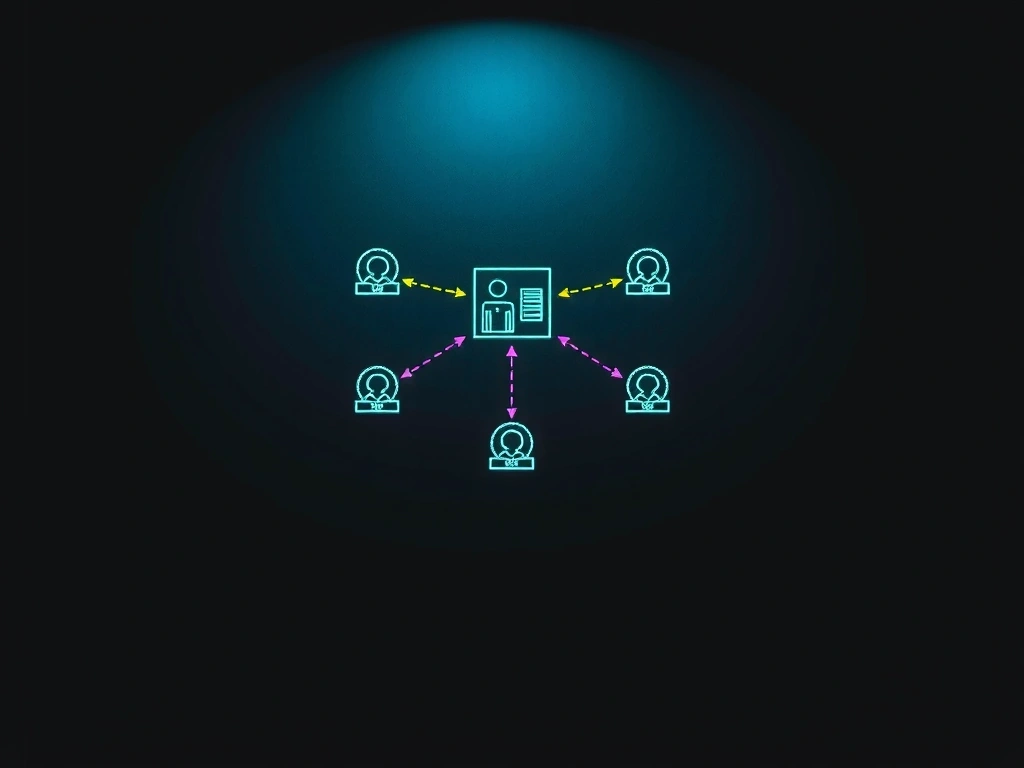
Decision Lens
Evaluating architectural choices: what we prioritized, what we sacrificed.
What We Optimized For
- Zero-Compromise Latency for Ranked Play
- Linear Scalability for 1M+ Concurrent Users
- Developer Speed via Plugin Ecosystem
- Hardware Integration Readiness
What We Sacrificed
- Legacy device support (requires Android 10/iOS 15+)
- Maximum UI customization flexibility (enforces design system)
- Minimizing initial app download size (assets streamed on-demand)
- Absolute backwards compatibility for API versions
Performance Under Pressure
Metrics are only meaningful when measured against real-world stress. These numbers reflect our platform's behavior during peak competitive seasons—when every millisecond is contested and every connection is vital.
Data represents 95th percentile benchmarks (p95) over 12 months, excluding scheduled maintenance windows. All measurements taken from European node locations.
Request full audit report →Terminology & Trade-offs
Key terms with our operational perspective. Not marketing definitions—engineering realities.
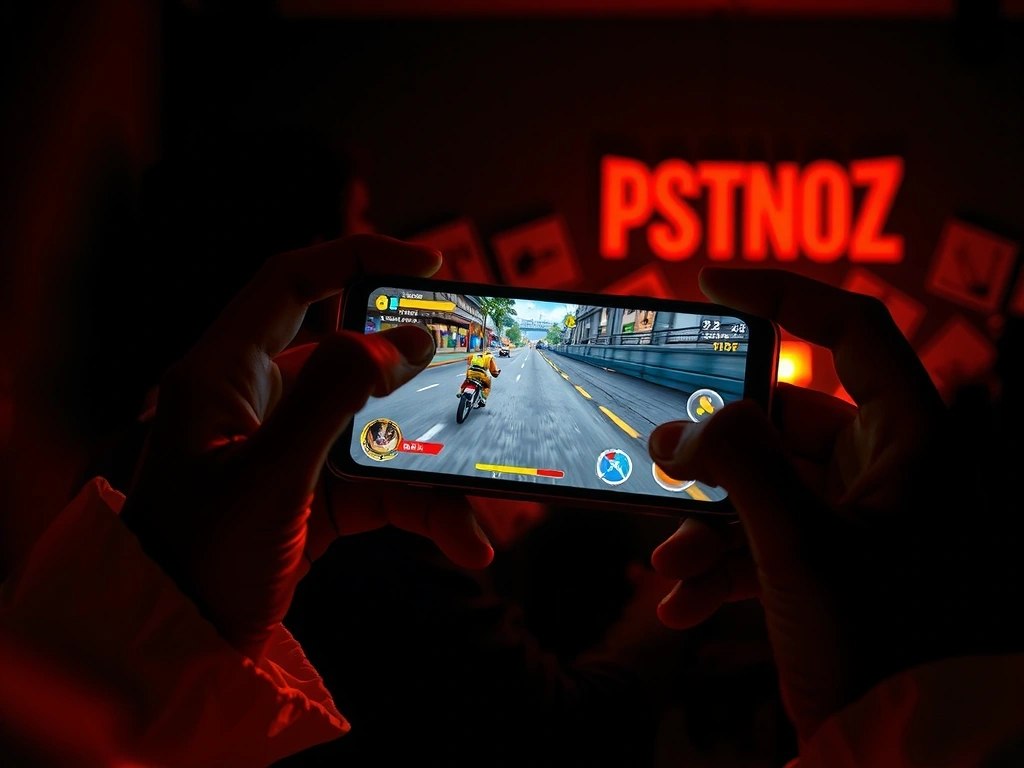
The Clutch Win on Unstable WiFi
It’s the final round of a ranked match. The score is tied. You’re on a train, traveling through a tunnel—the connection flickers, latency spikes from 20ms to 350ms. On a typical platform, this is a disconnect. The game freezes, you’re eliminated.
On Zonlix, the Edge Compute node nearest your location takes over. Hit detection and physics predictions run locally for a critical 3-second window while the core server re-establishes a stable handshake. The screen doesn't stutter. The aim-assist algorithm recalibrates based on your last known packet velocity. You land the shot.
The system logs the event: 'High Latency Continuity Mode triggered. Session preserved.' No user sees a popup. No game is lost. This isn't a feature; it's architectural resilience meeting player reality.
Ready to Build on the Platform?
Explore the Zonlix SDK documentation or reach out to our technical team for a deep-dive demo. We handle the infrastructure so you can focus on creating the next hit game.